Better Together - The Ties that Bind Policy Tour
Recapping the Alaska Policy Tour
The Puget Sound region has proudly served as Alaska’s maritime gateway since the Klondike Gold Rush of the 1890s. For generations, Alaska and Washington have shared a uniquely strong and enduring partnership built on transportation, energy, tourism, fishing, shipbuilding and deep historical ties. At the center of this relationship is a resilient supply chain lifeline connecting Seattle and Tacoma to communities across Alaska each week, year-round and in all weather conditions. This connection not only supports economic growth and regional prosperity, but also reflects the shared commitment, innovation and interdependence that continue to strengthen both states today.
In late April, the Pacific Northwest Economic Region (PNWER) Build Northwest Accelerator hosted the inaugural Better Together - The Ties That Bind - an educational policy tour to Alaska for Washington legislators, port commissioners and key maritime leaders. The week-long program was designed to provide participants with a deeper understanding of Alaska’s unique transportation ecosystem and its critical connections to Washington state. The dawn-to-dusk itinerary included travel across multiple Alaska communities and active engagement with legislators, industry leaders and transportation partners addressing complex infrastructure and supply chain challenges.
“If Alaska were a country, it would be one of Washington’s largest trading partners.”
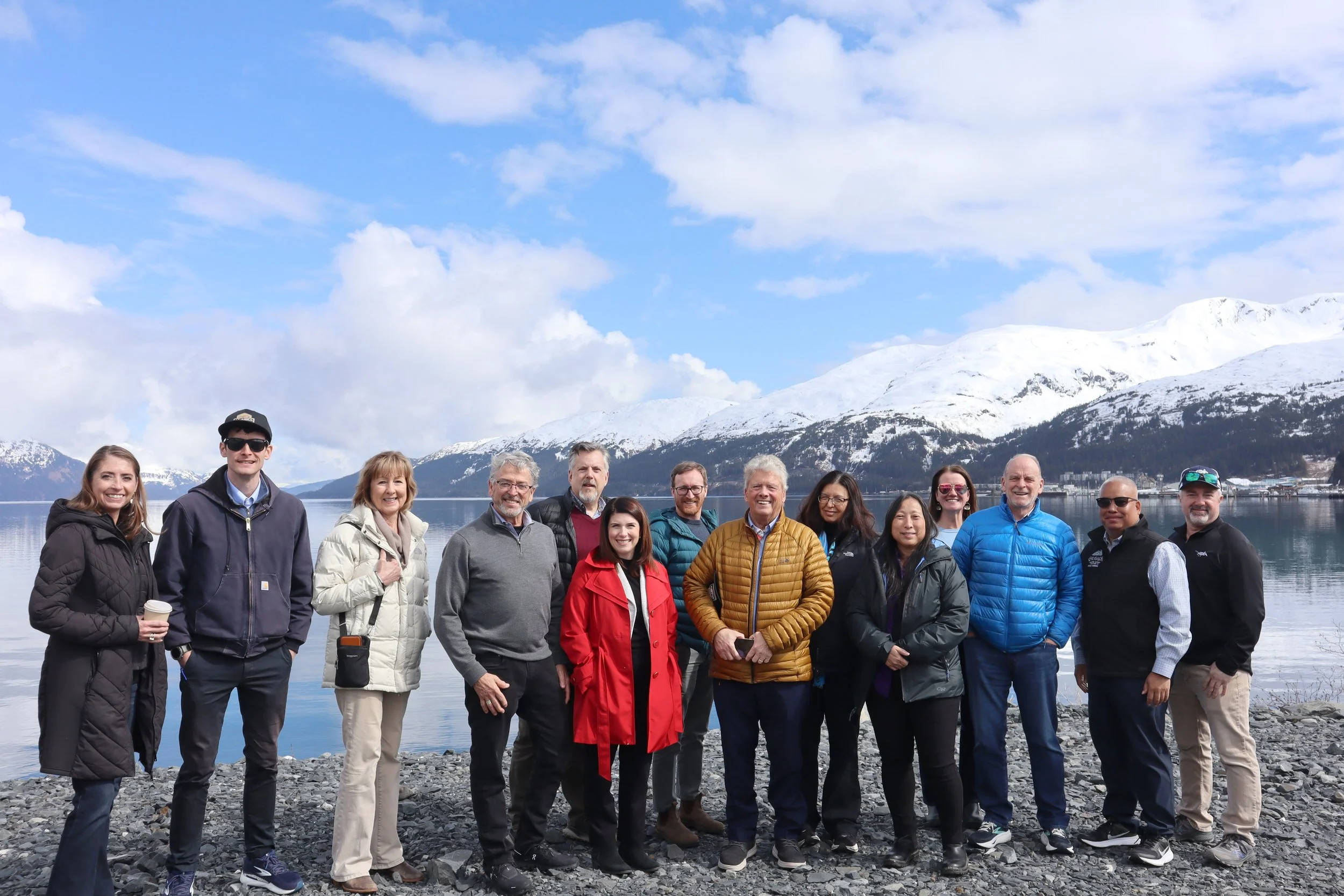
L-R: Lanie Downs; Rep. Greg Nance, Commissioner Deanna Keller, Commissioner Fred Felleman, Rep. Andrew Barkis, Elaine Nessle, Tom Lang, Bruce Agnew, Xochitl Castañeda, Rep. Janice Zahn, Renée Limoge Reeve, Rep. Jake Fey, Tor Wallen and Dave Stieren.
The tour builds upon the Seattle Metro Chamber of Commerce’s 2016 report called Ties that Bind - a foundational resource for the critical economic connections and mutual benefits generated through Puget Sound-Alaska trade, transportation and regional collaboration. We attended presentations, toured key facilities and engaged with partners representing the maritime, transportation, logistics, shipyard, energy and tourism sectors.
The delegation included many port and transportation policymakers from Washington and across the country:
Port of Seattle Commissioner Fred Felleman
Port of Tacoma Commissioner Deanna Keller
Representative Jake Fey, Chair of the House Transportation Committee
Representative Andrew Barkis, Ranking Minority Member of the House Transportation Committee
Representative Greg Nance, Vice Chair of the House Postsecondary Education and Workforce Committee; Member of the House Transportation Committee
Representative Janice Zahn, Vice Chair of Local Governments; Member of the House Transportation Committee; Chief Engineer at the Port of Seattle
Stephanie Bowman, Vice President of the U.S. West Coast Operations at Transportation Institute
Xochitl Castañeda, Director of the Pacific Northwest and Alaska Gateway Office at MARAD
Elaine Nessle, Executive Director of the Coalition for America's Gateways and Trade Corridors
This trip united the PNWER Build Northwest Accelerator’s programs – Center of Excellence, Critical Port and Bridge Connections, Innovative Supply Chains and High Performance Rail– that aim to improve connective infrastructure and advance resilient supply chains and logistics hubs across the region. For over a year, PNWER has participated in the Alaska Supply Chain Lifeline Working Group, led by USDOT Maritime Administration, to address Alaska’s supply chain challenges through coordinated federal transportation funding and strategic port investment opportunities.
On the Water: Trade, Security & Tourism
The Alaska-Washington Supply Chain
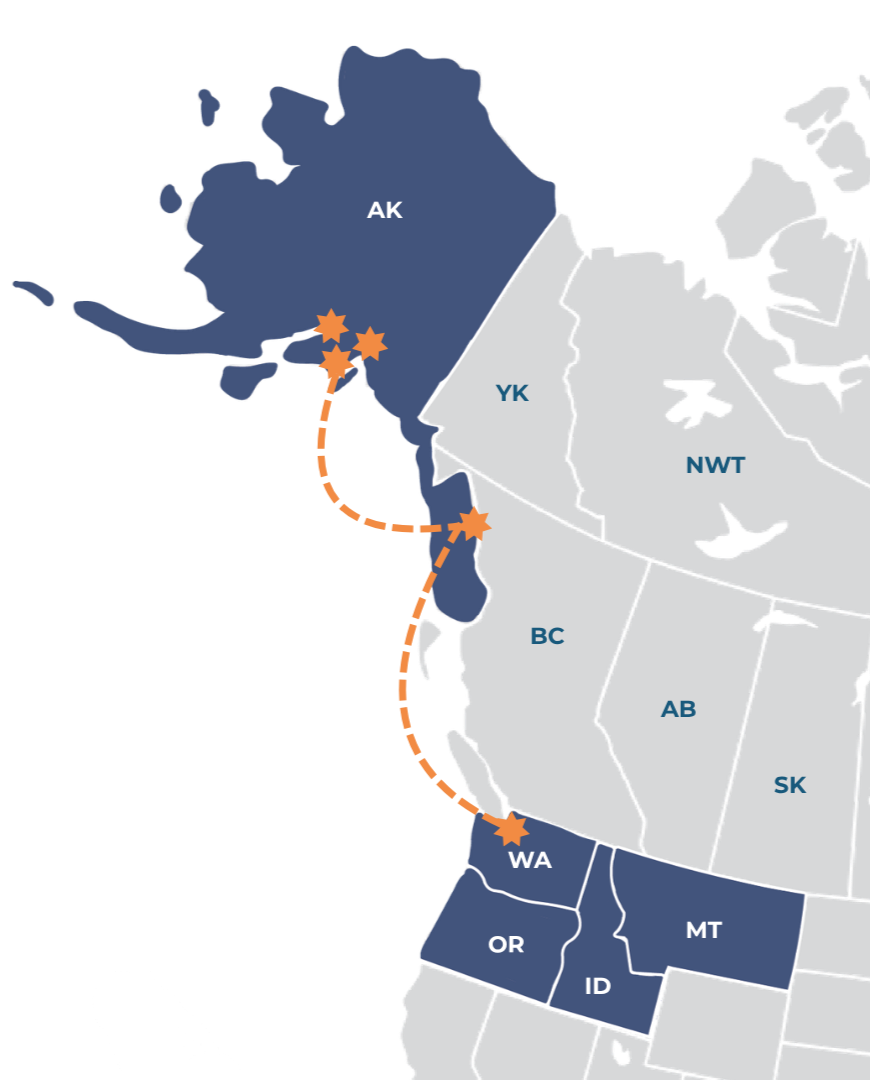
The Alaska–Washington marine highway (M-5) and highways that serve Alaska’s interior (M-A1 and M-11) represent a critical transportation network, linking barges, private shipping carriers and ferry systems with rail, air and trucking infrastructure to move goods, supplies and people to and throughout inland Alaska.
The Northwest Seaport Alliance and private terminal facilities handle large volumes of commodities such as food, fuel and equipment distributed to Southeast, Central, North and West Alaska. If an earthquake or other natural disaster were to close the Don Young Port of Alaska, about 90% of Alaska’s population – 741,000 people – would be without food, fuel, groceries and supplies within a week, resulting in an urgent humanitarian crisis.
“For the past 14 years I have represented the Port of Tacoma in the Washington State Legislature and know how much the Port means to the economy of Pierce County and the surrounding areas.
This Alaska Tour provided a first-hand look at just how much the State of Alaska is dependent upon the commodities delivered to Alaska from the Seaport Alliance as well as the economic impact of cruise lines bringing visitors from across the world to see the magnificent beauty of Alaska.”
We received briefings on the planning, engineering and financing of the Port of Alaska Modernization project, a critical effort to expand and make resilient this critical “cannot fail” link in Alaska’s supply chain. Led by Jacobs Engineering Group, the modernization project will replace aging, decades-old dock infrastructure vulnerable to earthquakes, corrosion and climate conditions, while expanding cargo capacity and improving operational efficiency.
In Seward, we learned about Alaska Railroad’s Freight Dock Expansion project; a critical investment in regional supply chain resilience and redundancy. As one of Alaska’s few year-round, ice-free ports with deep-water access, Seward is strategically positioned to support long-term freight reliability, emergency response capabilities and uninterrupted movement of essential goods throughout the state. Alaska Railroad received a Port Infrastructure Development Program (PIDP) grant to build the new freight dock and has also submitted a Better Utilizing Investments to Leverage Development (BUILD) grant application to widen it to accommodate roll-on/roll-off (Roro) cargo vessels, including those operated by TOTE Maritime. The expanded dock would connect directly to Alaska’s 470-mile Railbelt, linking Seward and Whittier to Anchorage and Fairbanks. PNWER testified before the Alaska State Senate Committee in March, underscoring the project’s importance to Alaska’s transportation network and broader regional supply chain security.
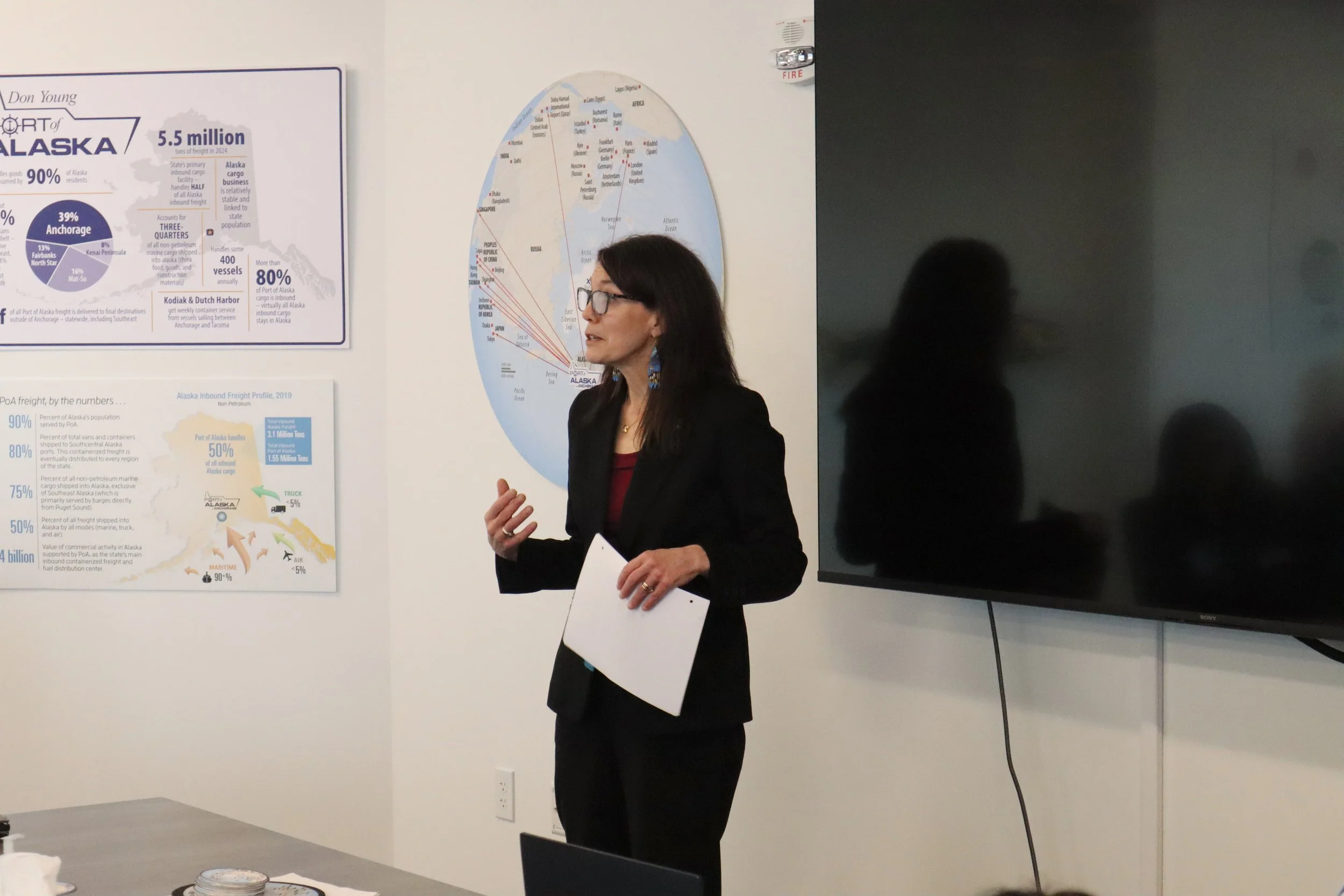
Anchorage Mayor Suzanne LaFrance provides welcome remarks at the Don Young Port of Alaska.
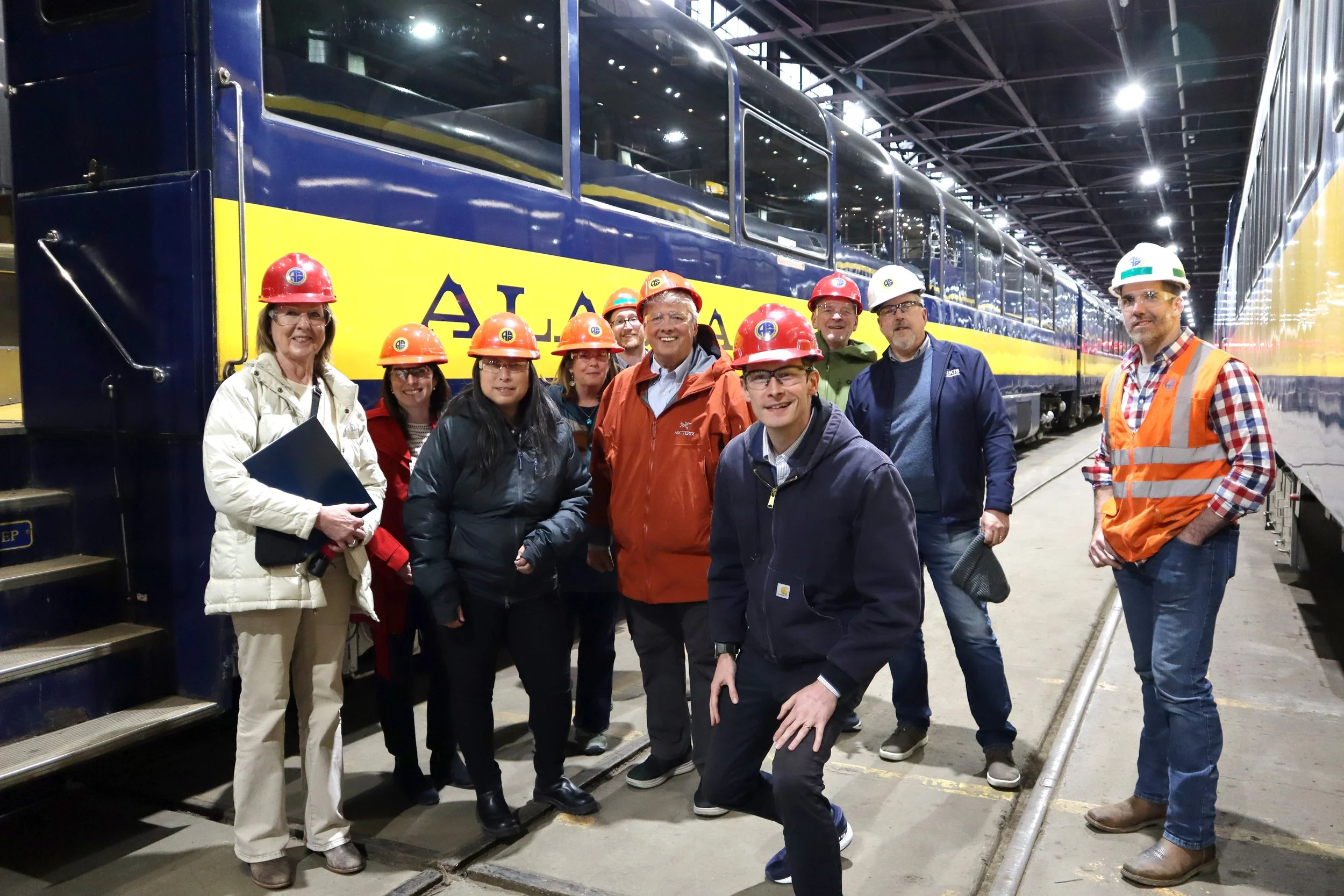
Alaska Railroad hosts a tour of its Anchorage mechanical shop.
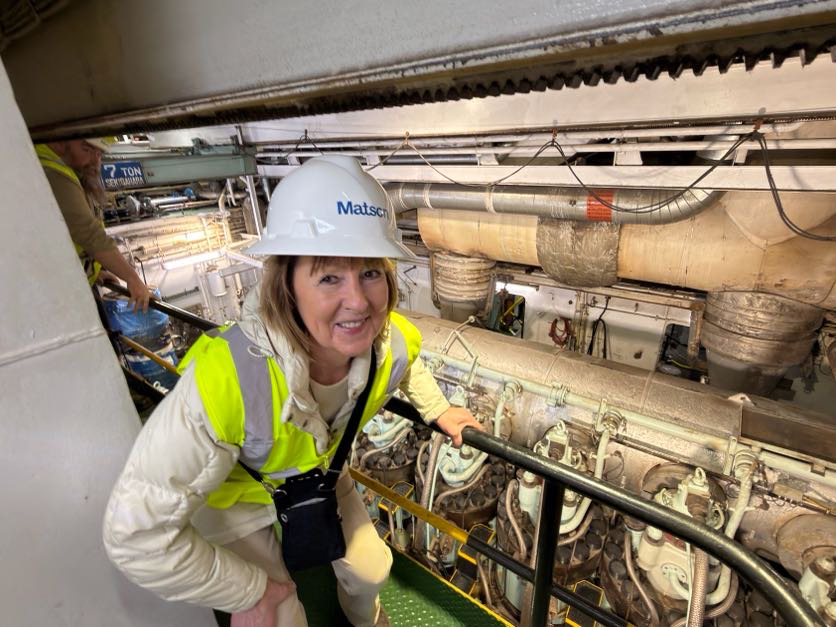
Commissioner Deanna Keller tours the engine room of a Matson container vessel.
In Whittier, the community’s critical role as the primary rail-barge gateway to Alaska’s interior was highlighted, as well as the MARAD-funded Portal Tunnel project, which is expected to improve safety, efficiency and reliability along this essential freight corridor. We also learned how Alaska’s unique state-owned railroad supports the broader transportation network through freight operations, whistle-stop local passenger service and partnerships with cruise lines that provide access to national parks.
“PNWER organized a very impactful trip to Alaska and I was honored to be part of it. It was eye opening the connection between Washington and Alaska when it comes to trade and commerce. I was struck by the fact that Alaska receives over 80% of all their goods from outside of Alaska and that a good portion of those travel through our ports in Washington.
It is critically important that we continue to strengthen the relationships to support both our states.”
Private Maritime Carriers
In Juneau, Anchorage, Seward and Whittier, we learned how container and barge operators Lynden Alaska Marine Lines, TOTE Maritime Alaska and Matson deliver goods, oversized vehicles, heavy equipment and military cargo to communities across Alaska year round.
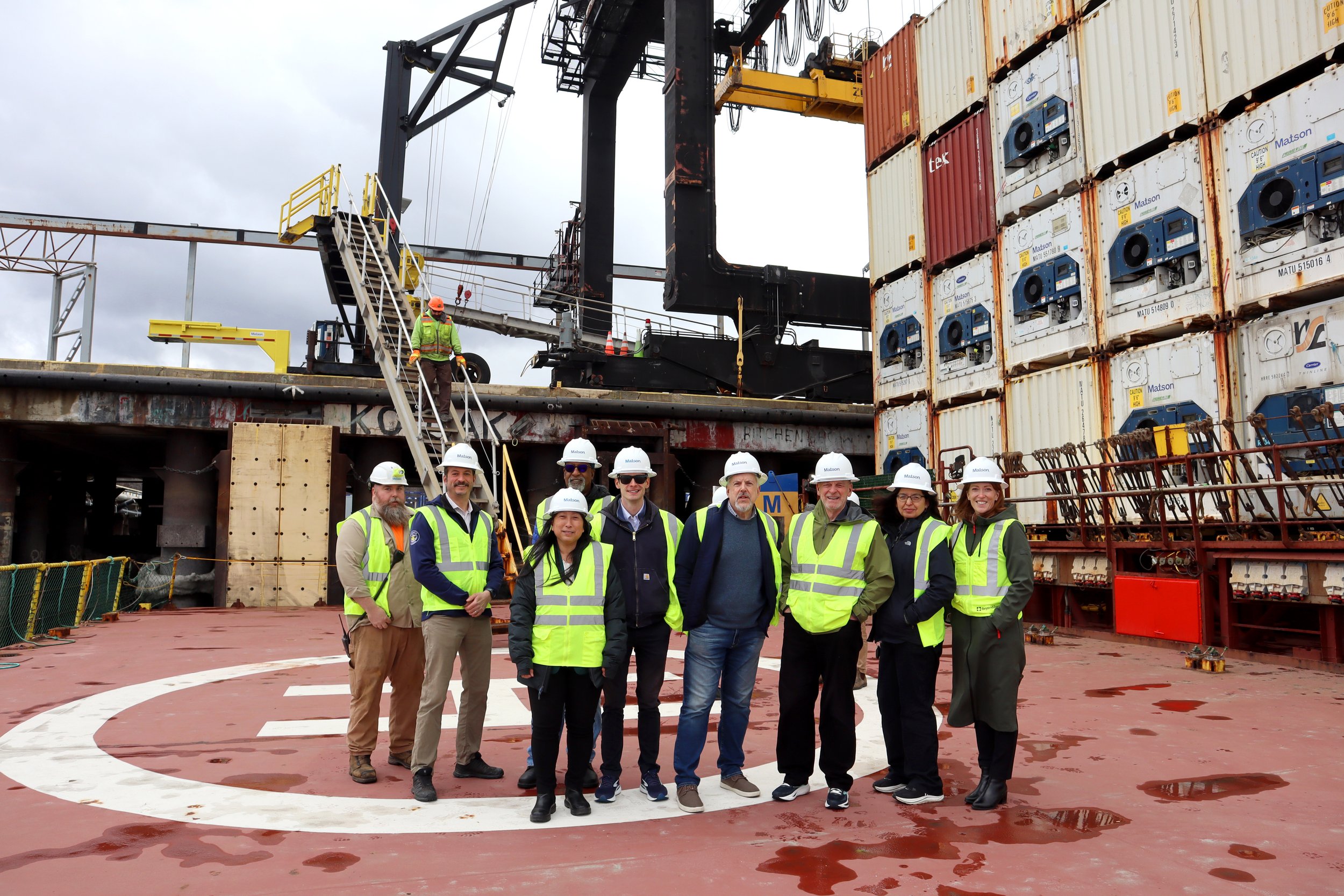
The delegation tours a Matson container vessel serving Alaska.
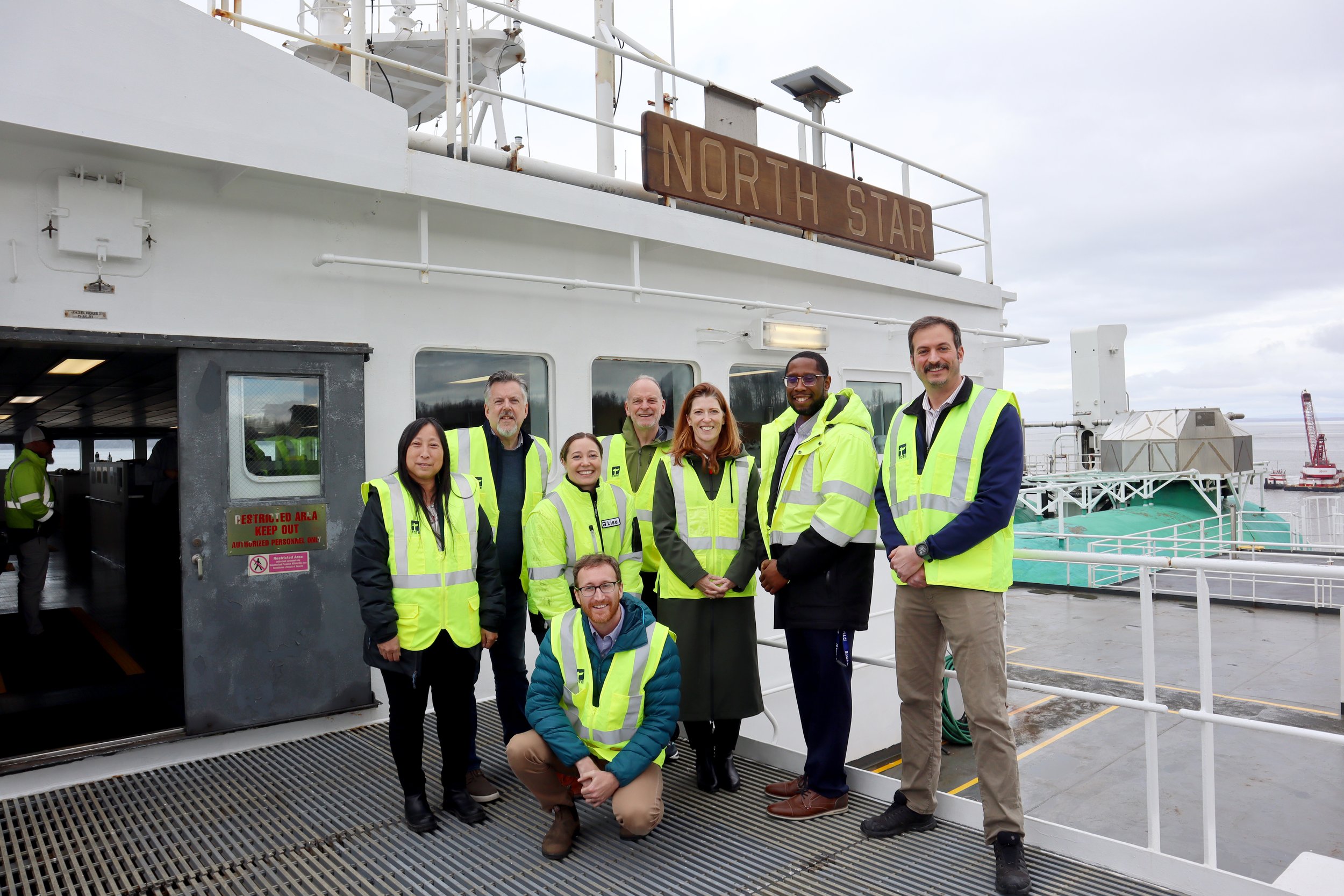
Delegates on TOTE Maritime’s ‘North Star’ Orca Class vessel.
These vessels typically sail weekly between Washington and Alaska before returning to reload for the next voyage. For ports in Alaska without deep-water access, barge operators provide an essential transportation lifeline that ensures the continued delivery of goods and supplies to remote communities across Alaska.
Briefings and tours of vessels operated by TOTE Maritime, including its LNG-powered Orca Class vessels, along with ships operated by Matson and barges operated by Lynden Alaska Marine Lines, gave our delegation a firsthand look at the speed, coordination and precision required to keep Alaska’s maritime supply chain operating efficiently year round.
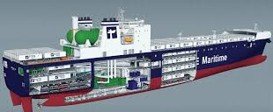
TOTE Maritime
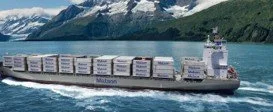
Matson
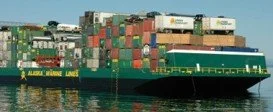
Lynden Alaska Marine Lines
Across the Knik Arm from Anchorage, we visited Port MacKenzie and learned about the proposed Port MacKenzie Rail Extension. The planned 32-mile connection to Alaska Railroad’s main line would link the port to the Railbelt, enabling expanded operations and more direct freight connections to the fast-growing Mat-Su Valley and remote Alaska Native communities. The expansion of Port MacKenzie would also strengthen Alaska’s ability to develop and export critical mineral resources while supporting industrial and infrastructure projects backed by the Alaska Industrial Development and Export Authority (AIDEA).
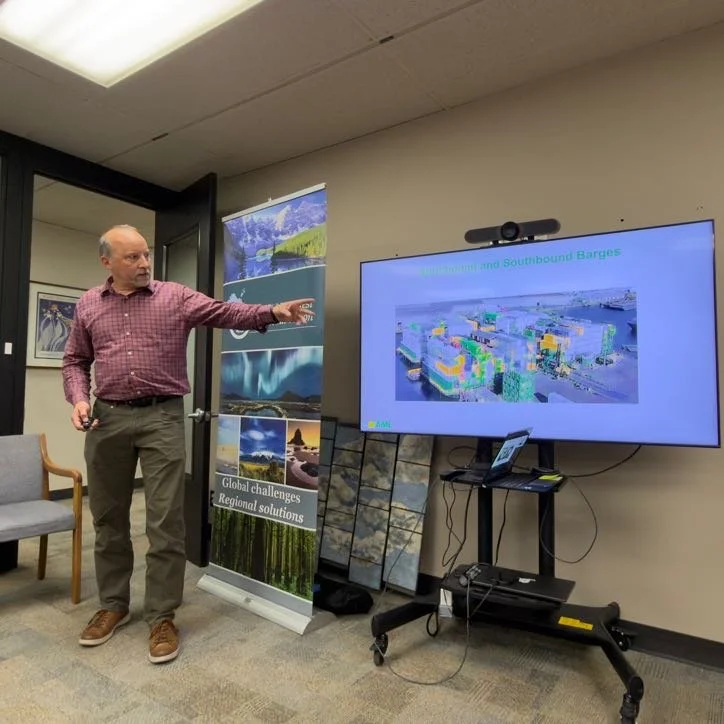
Don Reid, President of Alaska Marine Lines, overviews barge operations.
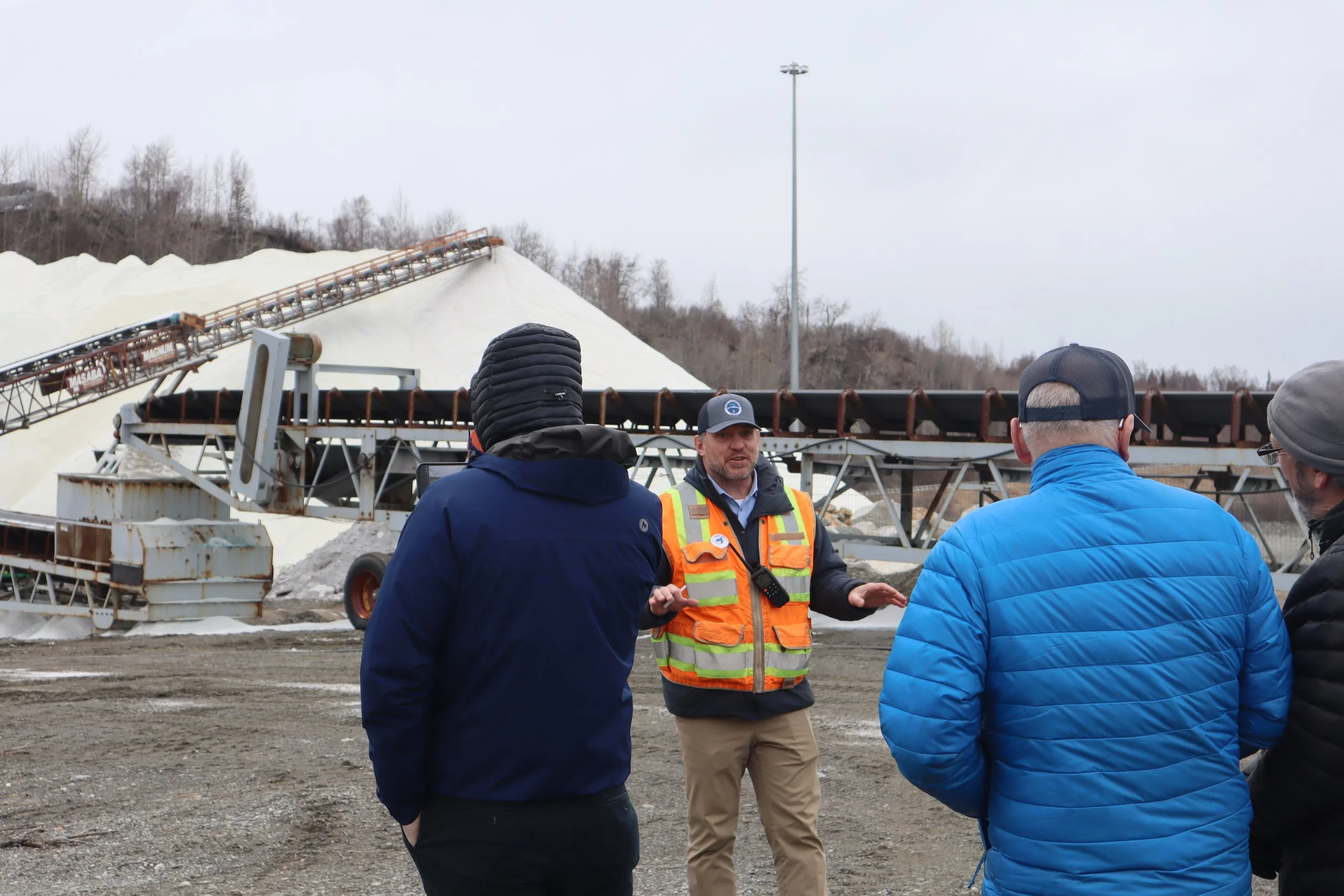
Delegates view salt reserves at Port MacKenzie.
We also received an update from project leaders at Macquarie Capital and Glenfarne on the proposed $45 billion Alaska LNG Project, which would transport North Slope natural gas to Alaska communities and international markets through a large-scale pipeline and export system. Separately, Alaska’s Department of Transportation and Public Facilities is working to strengthen connections between Anchorage’s air and seaports and the adjoining Mat-Su region, positioning the area as a future global intermodal hub.
Cruise Tourism, Coastal Economies and Terminal Electrification
The Port of Seattle, the primary cruise gateway to Alaska, reports more than $1.2 billion in local economic impact through tourism, visitor spending, cultural exchange and maritime operations while also providing essential access to some of Alaska’s most remote communities. Facilities operated by Alaska Native Huna Totem Corporation, including the Chugach Glacier Gateway Terminal in Whittier and the Áak'w Landing under development in Juneau, demonstrated how tourism infrastructure can advance economic development, support dockside electrification and sustainability goals, and elevate Alaska Native culture and local community engagement.
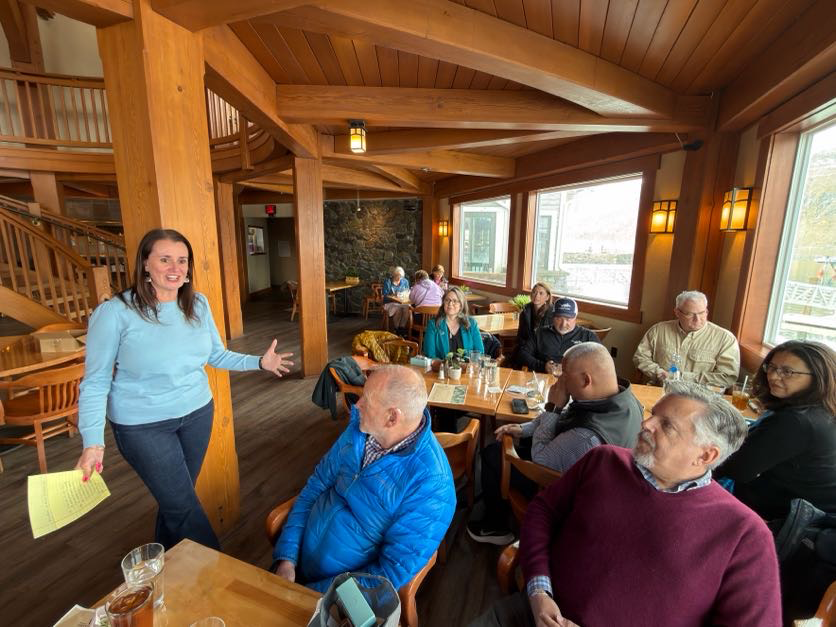
Renée Limoge Reeve, CLIA, briefs the delegation on current initiatives and partnerships.
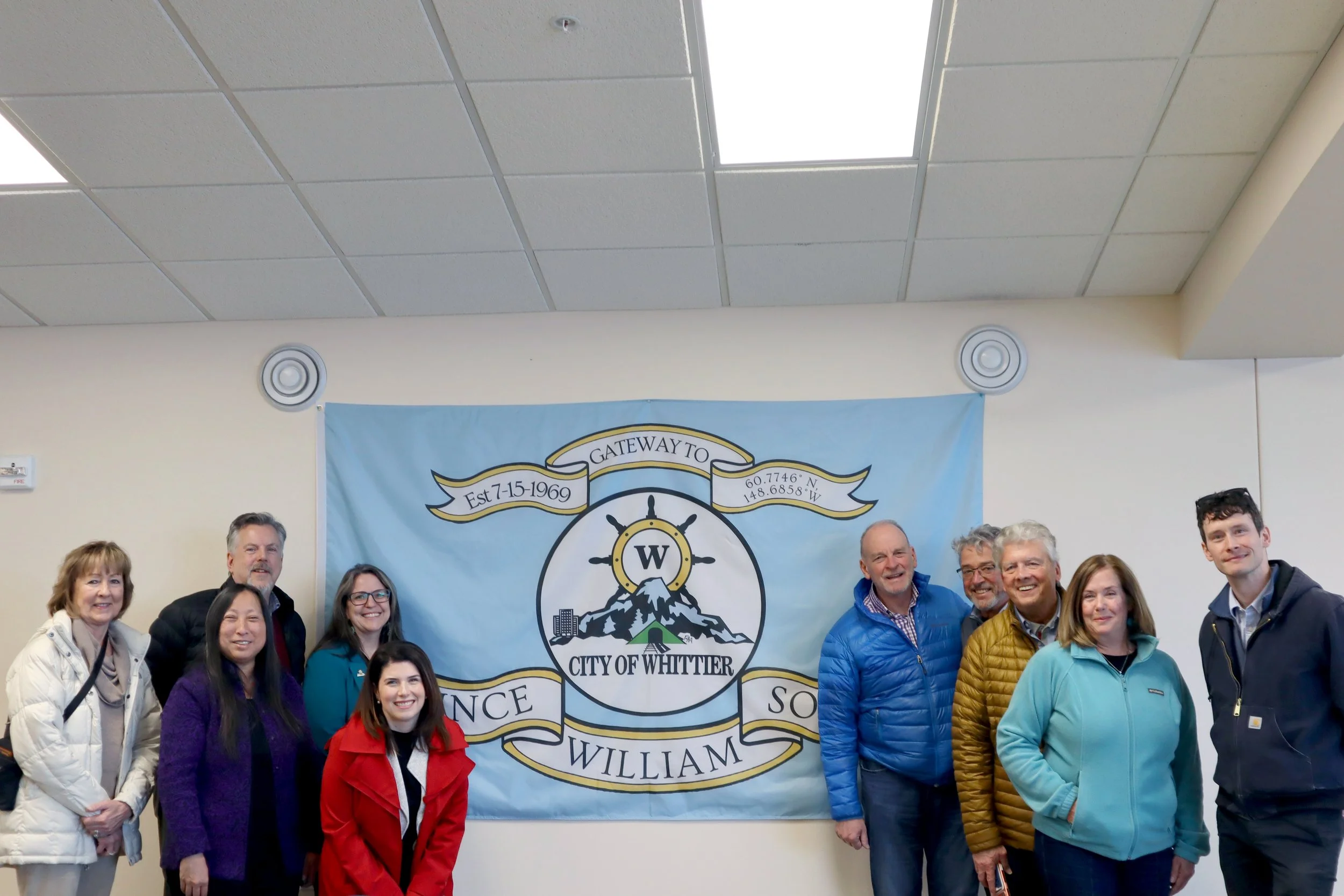
City Manager Jackie Wilde welcomes the delegation to Seward.
Leaders from the Cruise Lines International Association (CLIA) also highlighted ongoing efforts to reduce emissions through dockside terminal electrification and the introduction of lower-emission cruise vessels. Discussions referenced partnerships with the Port of Seattle and the Vancouver Fraser Port Authority to advance the PNW2AK Green Cruise Corridor initiative, aimed at accelerating maritime decarbonization and sustainable cruise operations across the Pacific Northwest and Alaska.
“During my recent trip to the 49th state, I was struck by the juxtaposition of the state’s raw beauty with its bold business aspirations.
The transformations of the ports of Seward, Whittier and MacKenzie are being fueled by the growing cruise industry and anticipated construction of a state-spanning LNG pipeline.
A great illustration of this juxtaposition occurred During a presentation from the Cruise Lines International Association (CLIA), when a male killer whale swam right past our group, through Passage Canal which connects the ice-free Port of Whittier with Prince William Sound. His appearance was a reminder that we have to strike a balance in Alaska between growing the economy and protecting the natural environment of America’s last true wild frontier.”
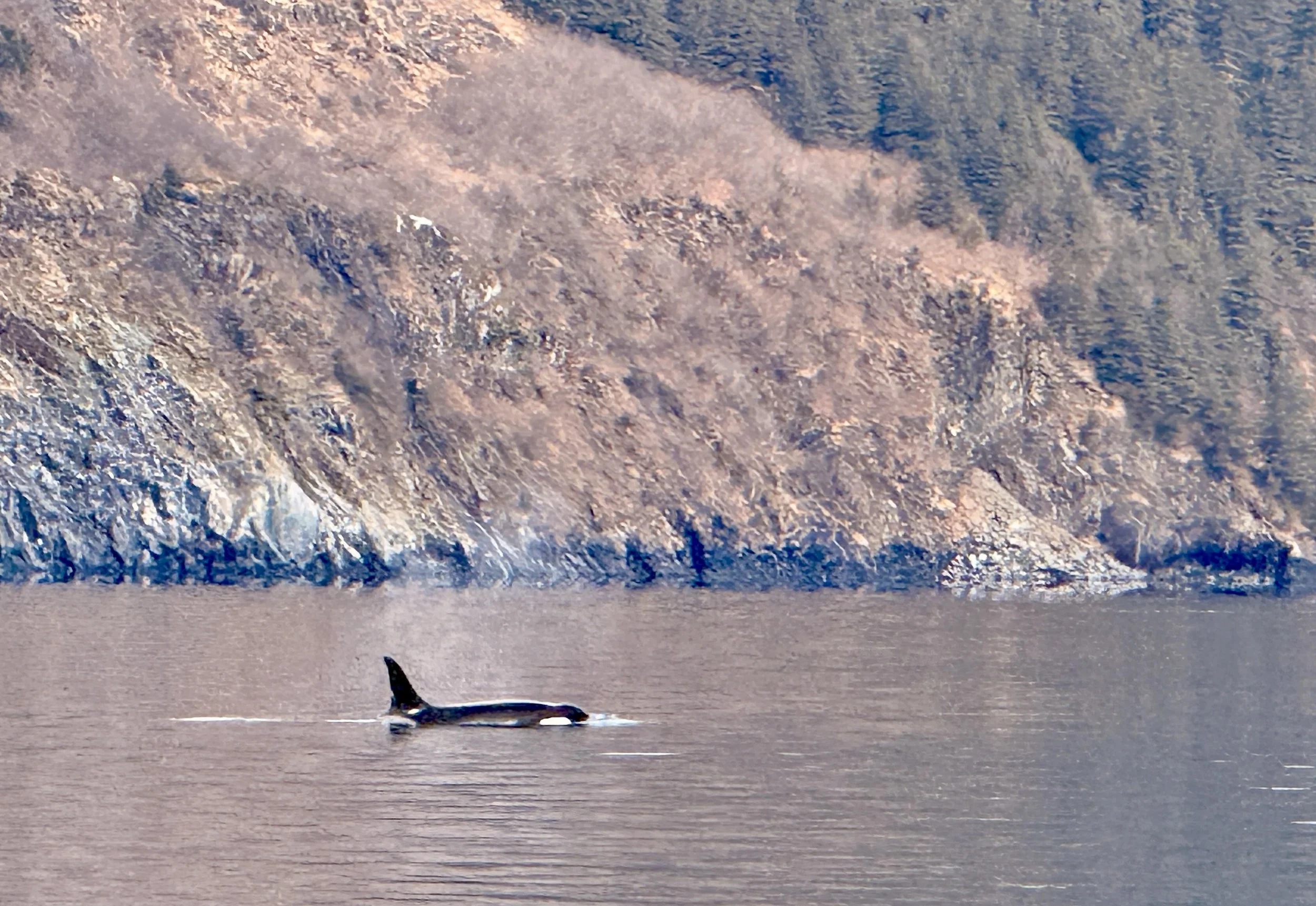
A killer whale swims past the group in Whittier.
Maritime Security & Shipbuilding
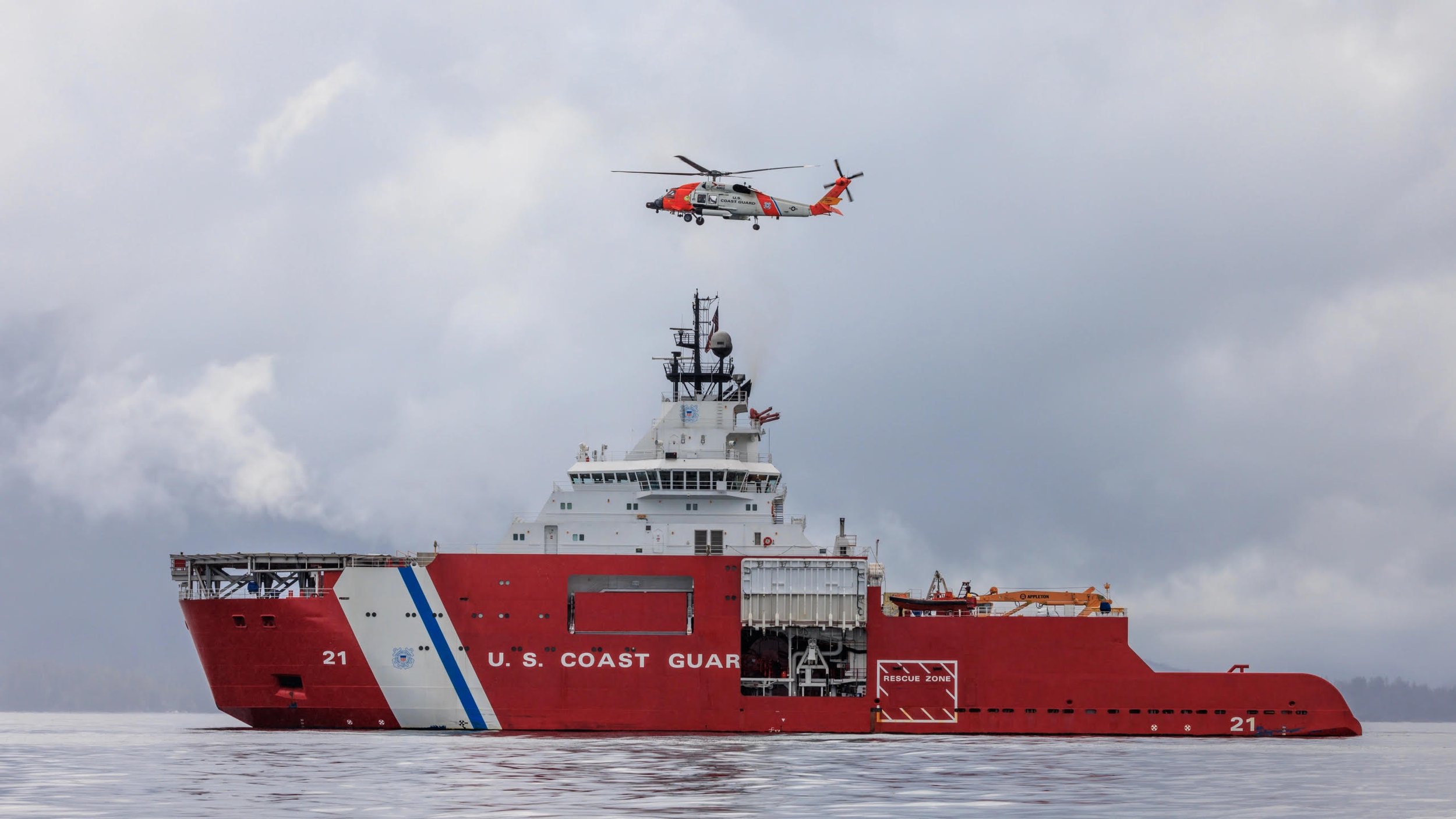
US Coast Guard
Leaders from the United States Coast Guard Arctic District briefed us on maritime safety, commerce and the vast area under their responsibility — 3.8 million square miles of ocean and 44,000 miles of shoreline — a jurisdiction that spans all of Alaska through multiple operational sectors, as well as the North Pacific, Bering Sea and U.S. Arctic. Coast Guard officers emphasized how their mission-critical operations sustain essential lifelines to remote Alaska communities and Alaska Native villages that are accessible only by sea or air.
As foreign activity in the Arctic continues to expand, federal investments in maritime security and polar capability are becoming increasingly important to maintaining a safe, secure and reliable Arctic presence. Discussions highlighted the development of new heavy icebreakers through the Polar Security Cutter program, which are expected to strengthen year-round access, enhance navigation safety and reinforce national security throughout Arctic waters. Staff from the offices of Senator Lisa Murkowski, Senator Dan Sullivan and Representative Nick Begich attended and briefed the group on the critical importance of sustained federal investment to keep Alaska and the Arctic provisioned, connected and secure.
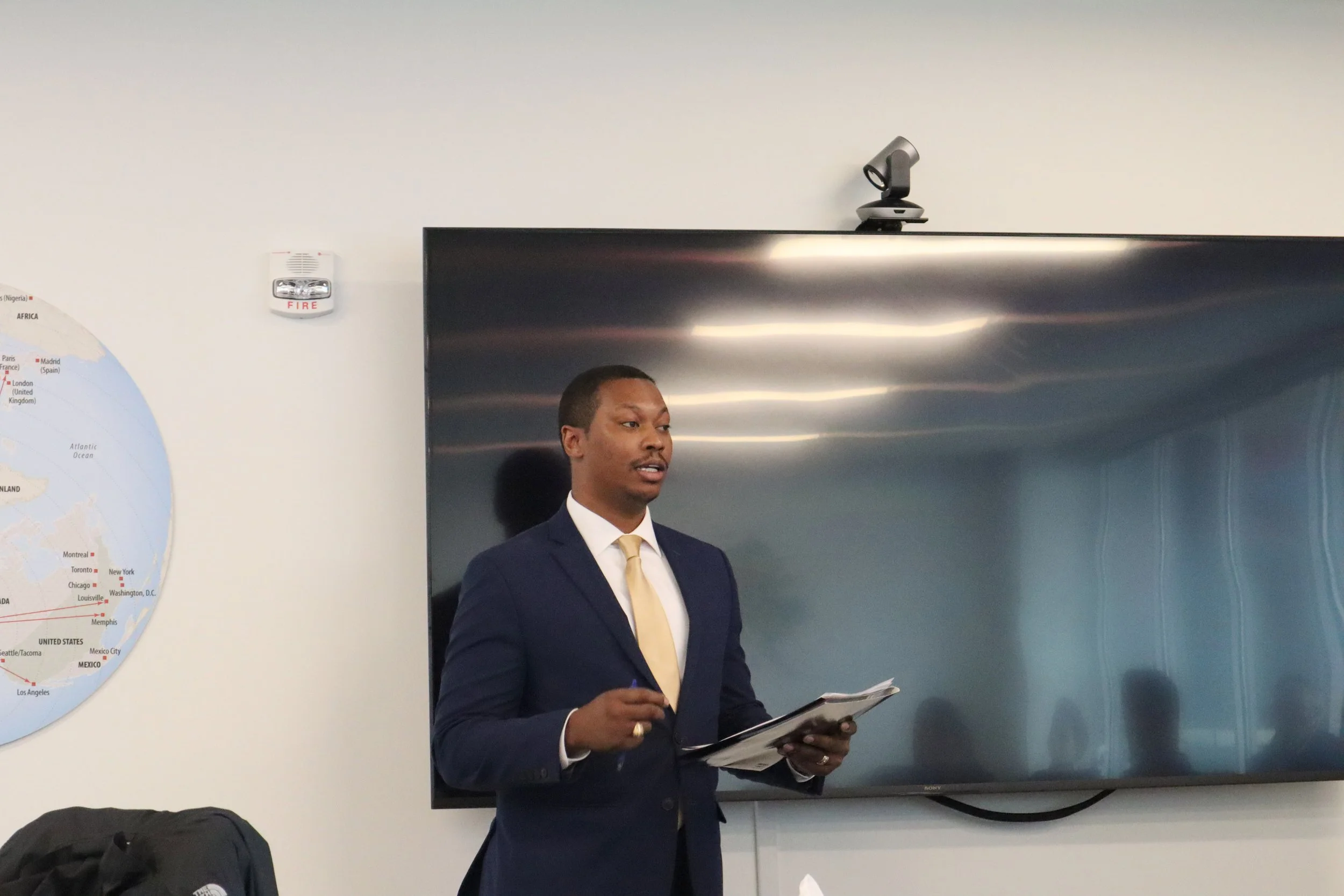
Stanley Wright overviews Senator Dan Sullivan’s work for Alaska.
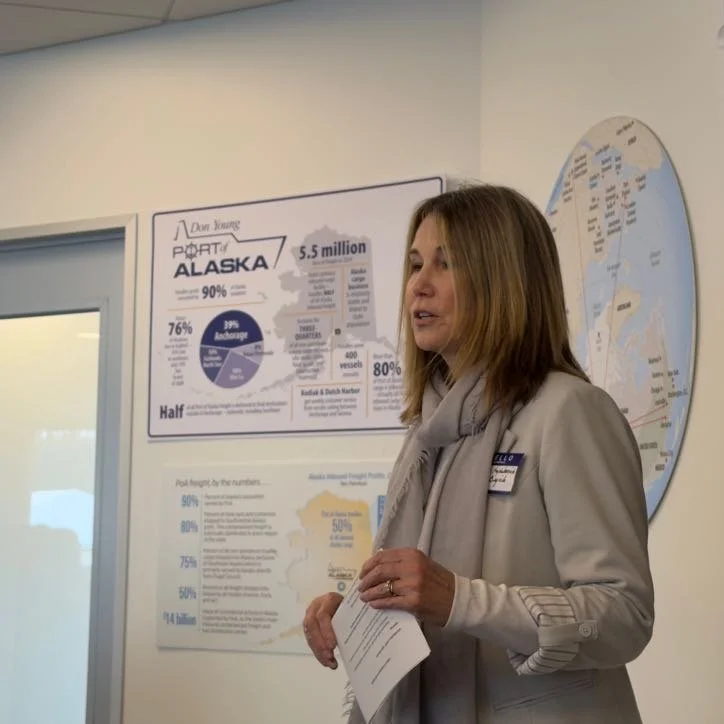
Leslie Hajdukovich highlights Congressman Nick Begich’s efforts.
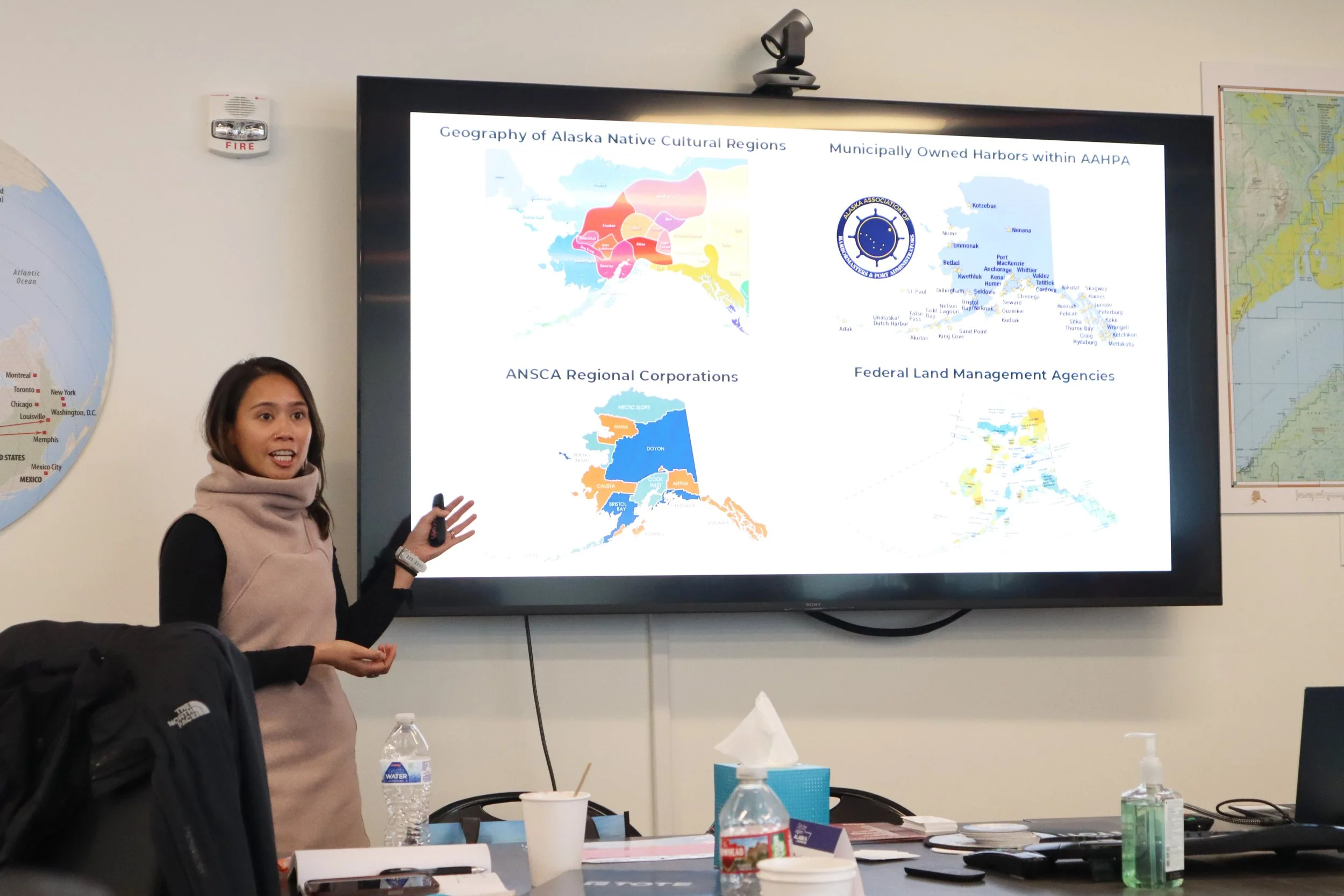
Nikki Navio highlights Denali Commission’s transportation efforts.
The Coast Guard has selected Juneau as the future homeport for the commercially acquired CGC Storis icebreaker and is evaluating other Alaska ports for two planned Arctic Security Cutters. Meanwhile, an expanded Coast Guard presence at the Port of Seattle’s Terminal 46 will serve as a key operational hub supporting much of the nation’s next-generation icebreaker fleet, further underscoring the strategic maritime partnership between Alaska and Washington state.
“The tour was a powerful reminder of how deeply Washington and Alaska’s economies are intertwined — from our shared maritime corridors to energy infrastructure and supply chains.
Seeing firsthand how our neighbors to the north are navigating these challenges gave me a fresh lens to bring back to Olympia. The Washington-Alaska partnership isn’t just geography — it’s a strategic asset we should be investing in together.”
Building Regional Partnerships
Workforce Development
The maritime industry depends on a stable and highly skilled workforce to build, repair, operate and crew the vessels traveling across the Pacific. We visited the Alaska Vocational Technical Center (AVTEC) workforce training facility where we experienced firsthand how advanced maritime simulators are used to prepare mariners for real-world operational conditions at sea. Discussions also emphasized the importance of the workforce pipeline in sustaining Alaska and Washington’s maritime industries.
We also received a briefing and tour by Jim Jagielski of the shipyard and vessel repair facility at JAG Marine in Seward, which provides invaluable service to carriers, barges and a wide range of vessels operating across the world. The visit highlighted the importance of maintaining strong regional shipbuilding and repair capabilities to support commerce, fisheries and national security operations.
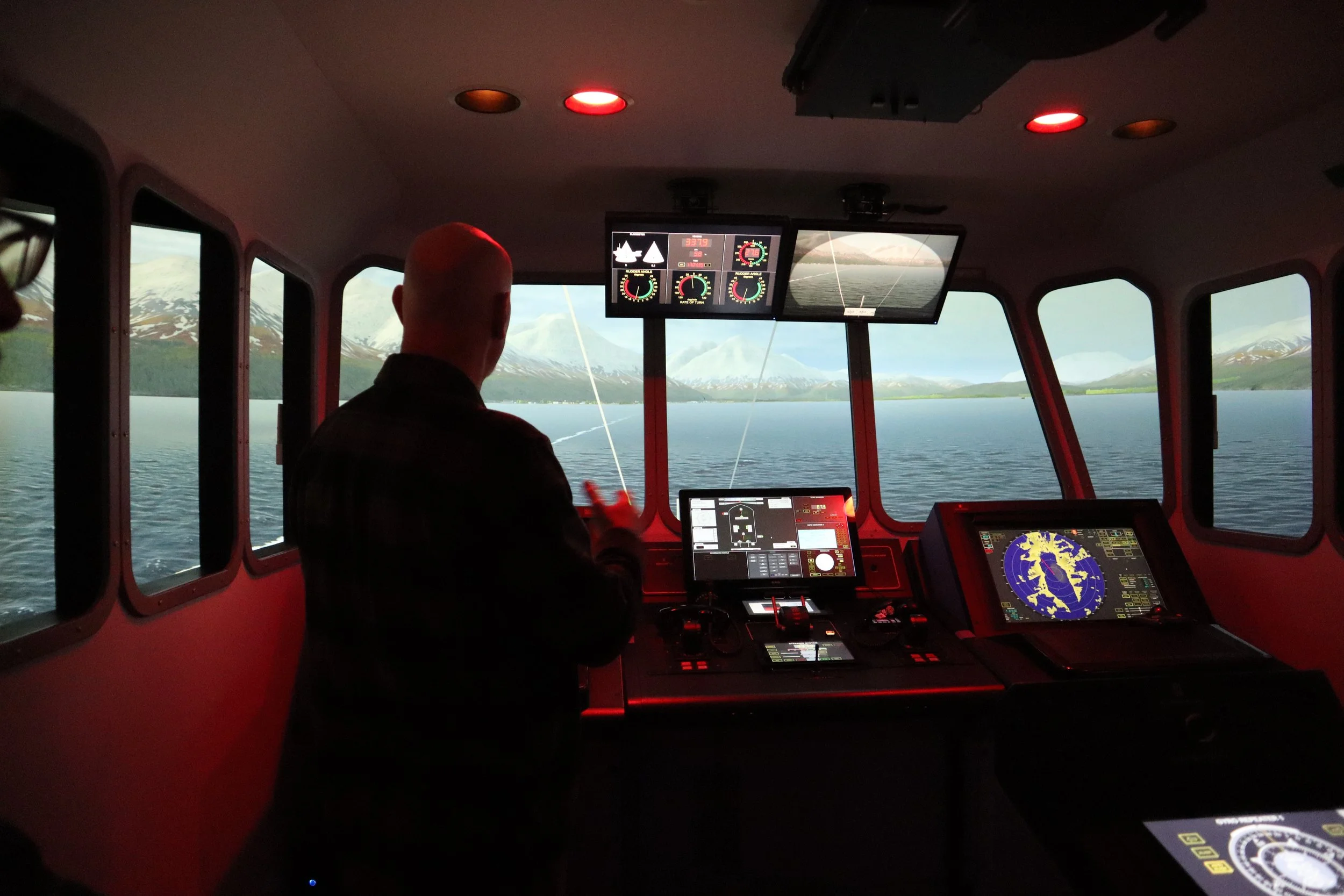
Delegates operate an AVTEC oil tanker simulator.
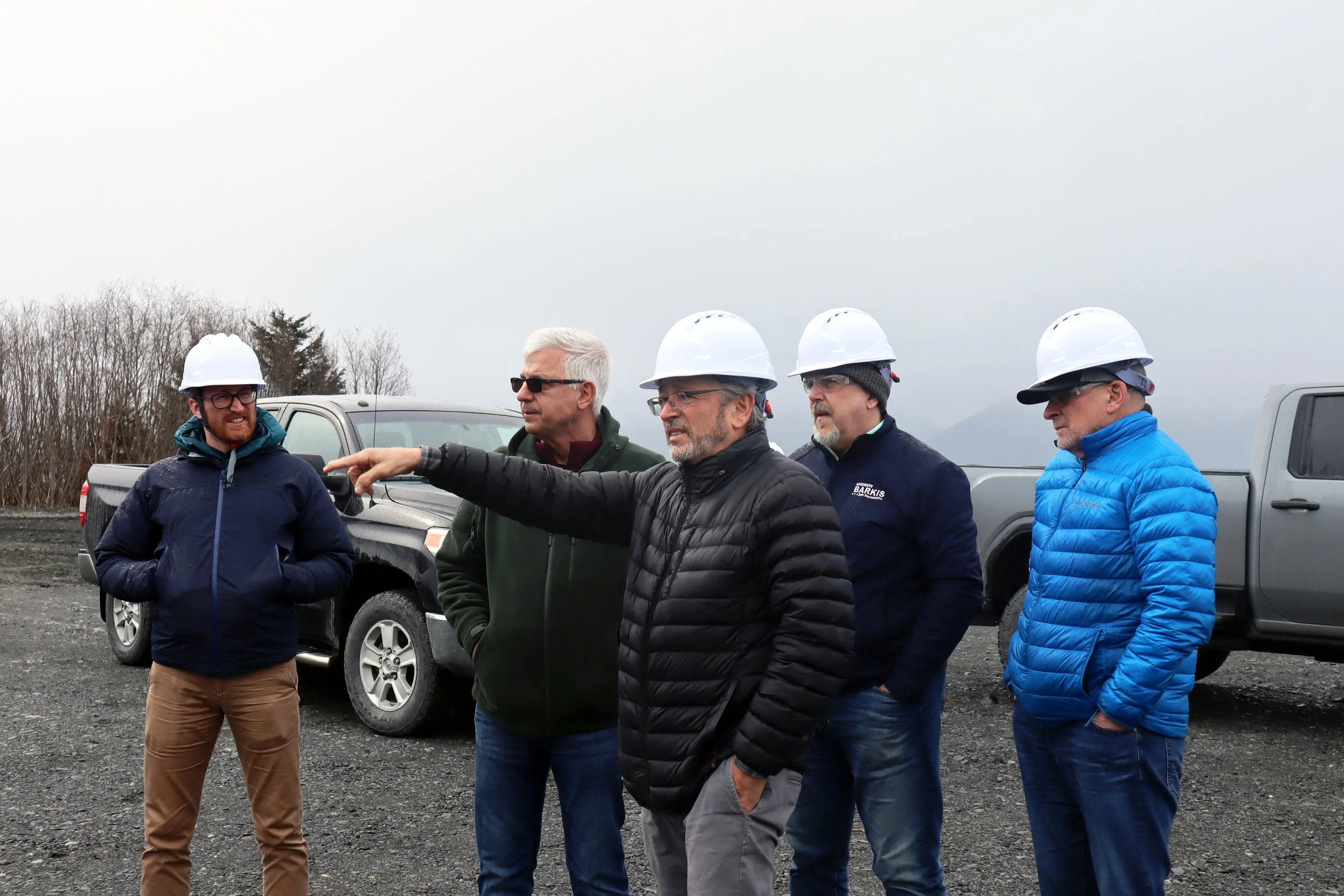
Tim Jagielski (second from left) shows the delegation a ship under repair that is often seen in the Puget Sound.
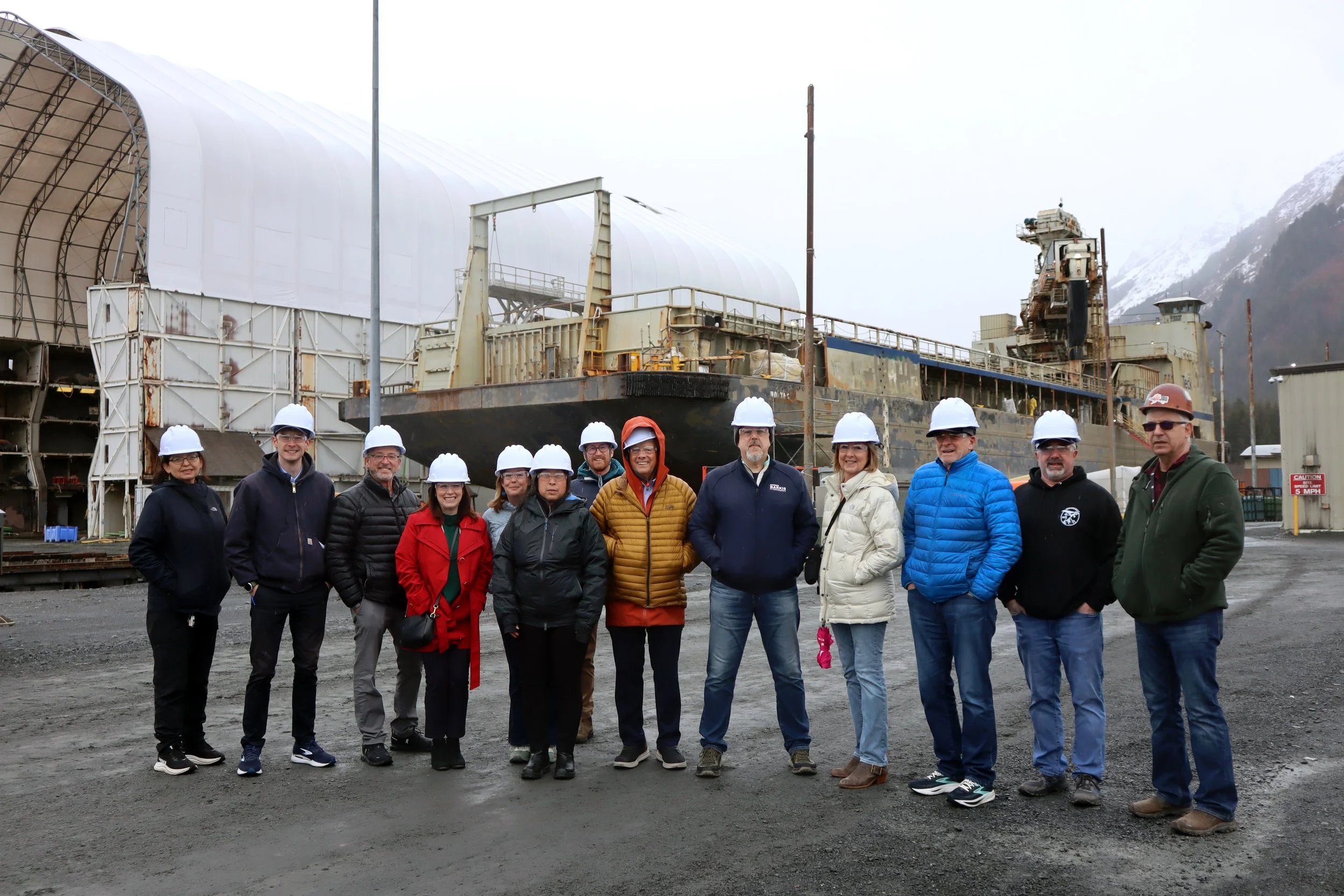
The delegation visits JAG Marine in Seward.
In Juneau, we were introduced by PNWER Vice President Representative DeLena Johnson and Senator Jesse Bjorkman on the House and Senate floors and met with Alaskan legislators to discuss the shared opportunities, challenges and goals to improve each state's transportation and infrastructure. Policymaker-to-policymaker dialogue strengthens their ability to coordinate joint investments, exchange innovative financing strategies for complex infrastructure projects and advance a unified federal agenda that supports regional economic growth and supply chain resilience.
“Freight infrastructure investment delivers benefits in every region of the country, but seeing firsthand the unique and vital connection between Alaska and the Lower 48 underscores the importance of continued federal investment in the supply chain networks that keep communities connected and keep America moving.”
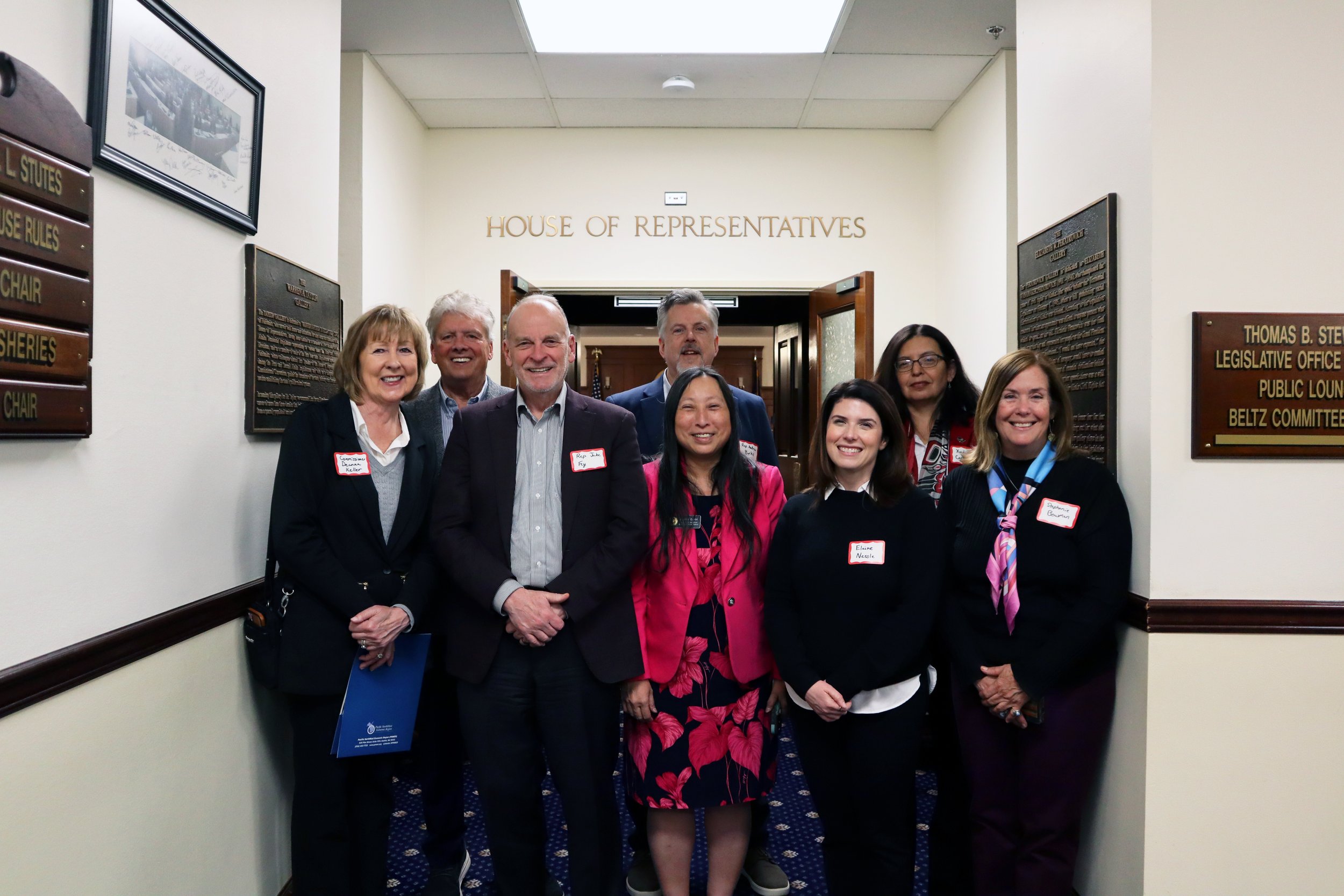
The delegation is introduced in the Alaska House of Representatives.
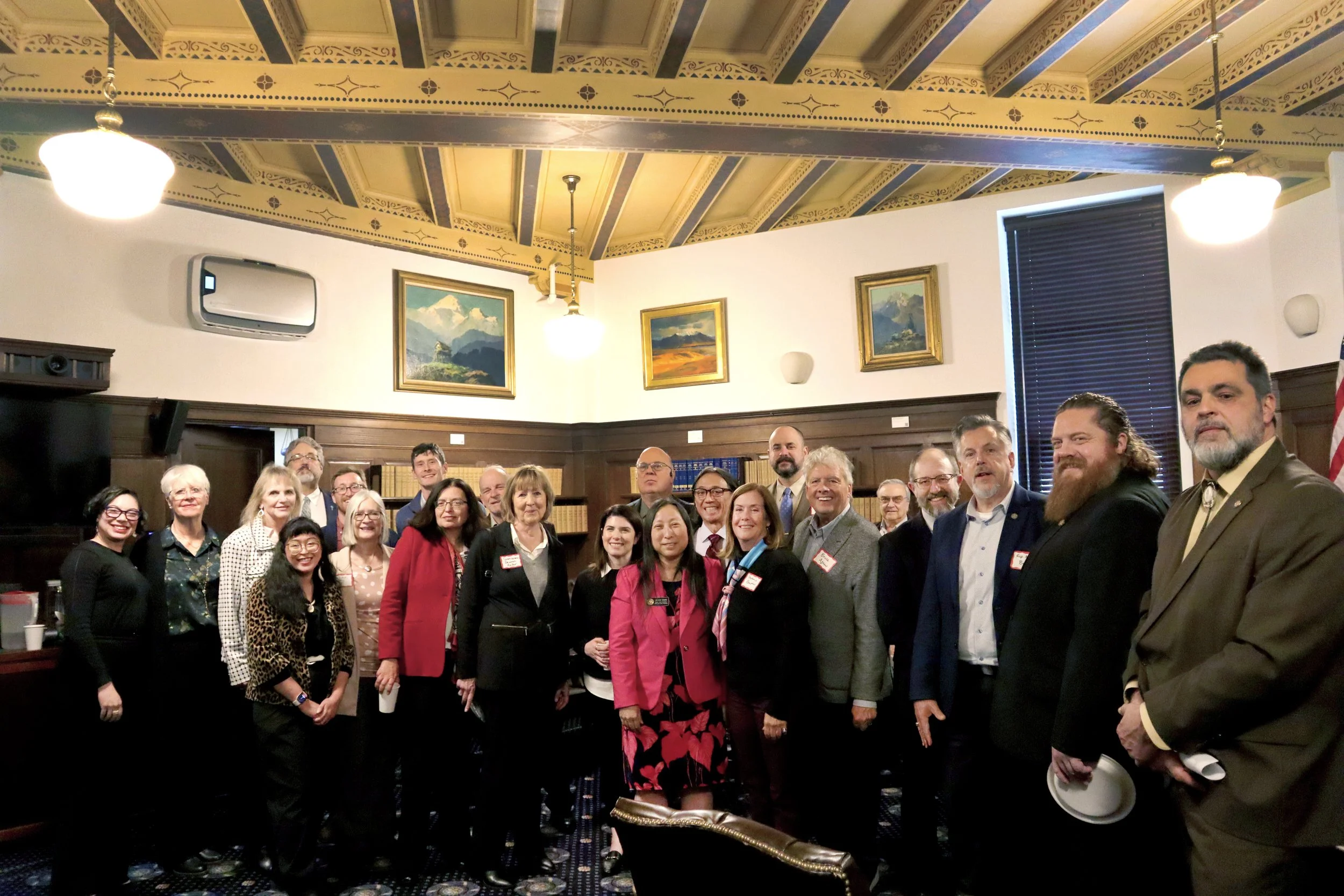
Alaska legislators join a lunchtime meet-and-greet in Juneau.
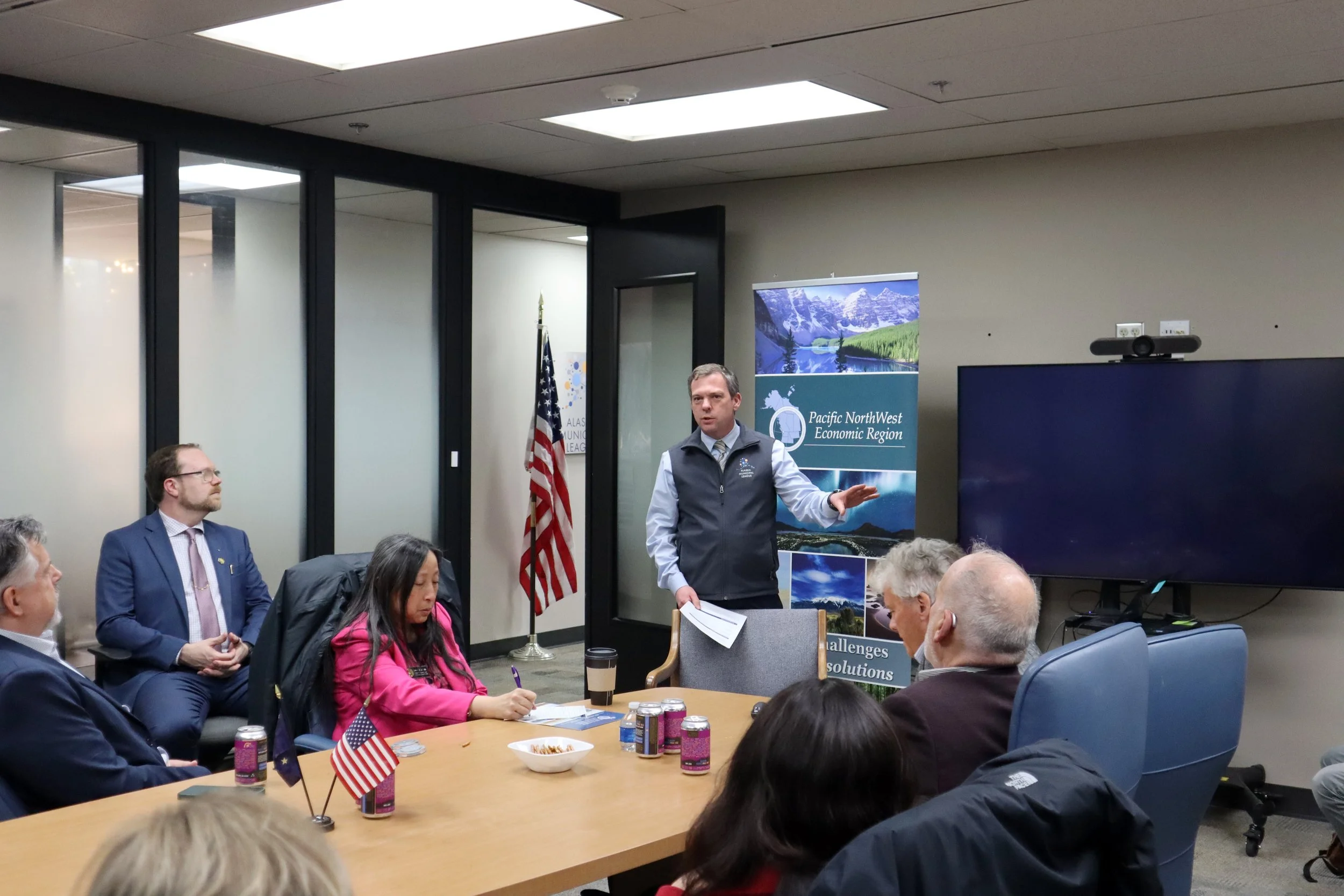
Nils Andreassen, Alaska Municipal League, showcases local partnerships.
Lessons Learned and Next Steps
This trip demonstrated that Alaska’s and Washington’s transportation systems are not separate networks, but deeply interconnected components of a shared regional economy. Investments in ports, rail, maritime security, fishing vessel recapitalization, workforce development and supply chain infrastructure on either end of the corridor generate economic and operational benefits for both states.
We plan to host Alaska state legislators and key partners for a reciprocal visit to Washington this fall to showcase Puget Sound transportation infrastructure and supply chain networks that are deeply interconnected with Alaska’s economy.
“Cross-state collaboration is the key to our shared success, especially in these critical port industry sectors.
This legislative tour between Washington and Alaska provided an excellent opportunity to connect, learn and grow our relationships. I look forward to many more years of shared prosperity and partnership.”
As Congress considers surface transportation reauthorization, the President’s Maritime Action Plan and updates to the National Freight Strategic Plan, strengthening legislative coordination and advocacy between Alaska and Washington will be essential to advancing shared regional priorities, improving supply chain resilience, enhancing national security and supporting long-term economic competitiveness across our region.
Moving forward, we look to continue interstate collaboration through coordinated federal advocacy, information sharing, workforce partnerships and support for strategic infrastructure investments that strengthen the maritime corridor. The trip reinforced the importance of maintaining ongoing dialogue between legislators, members of Congress, industry leaders, Alaska Native Corporations, ports and transportation partners to ensure the region remains connected, competitive and resilient into the future.
A special thank you to our sponsors and hosts for making this trip possible!
Keep in Touch!
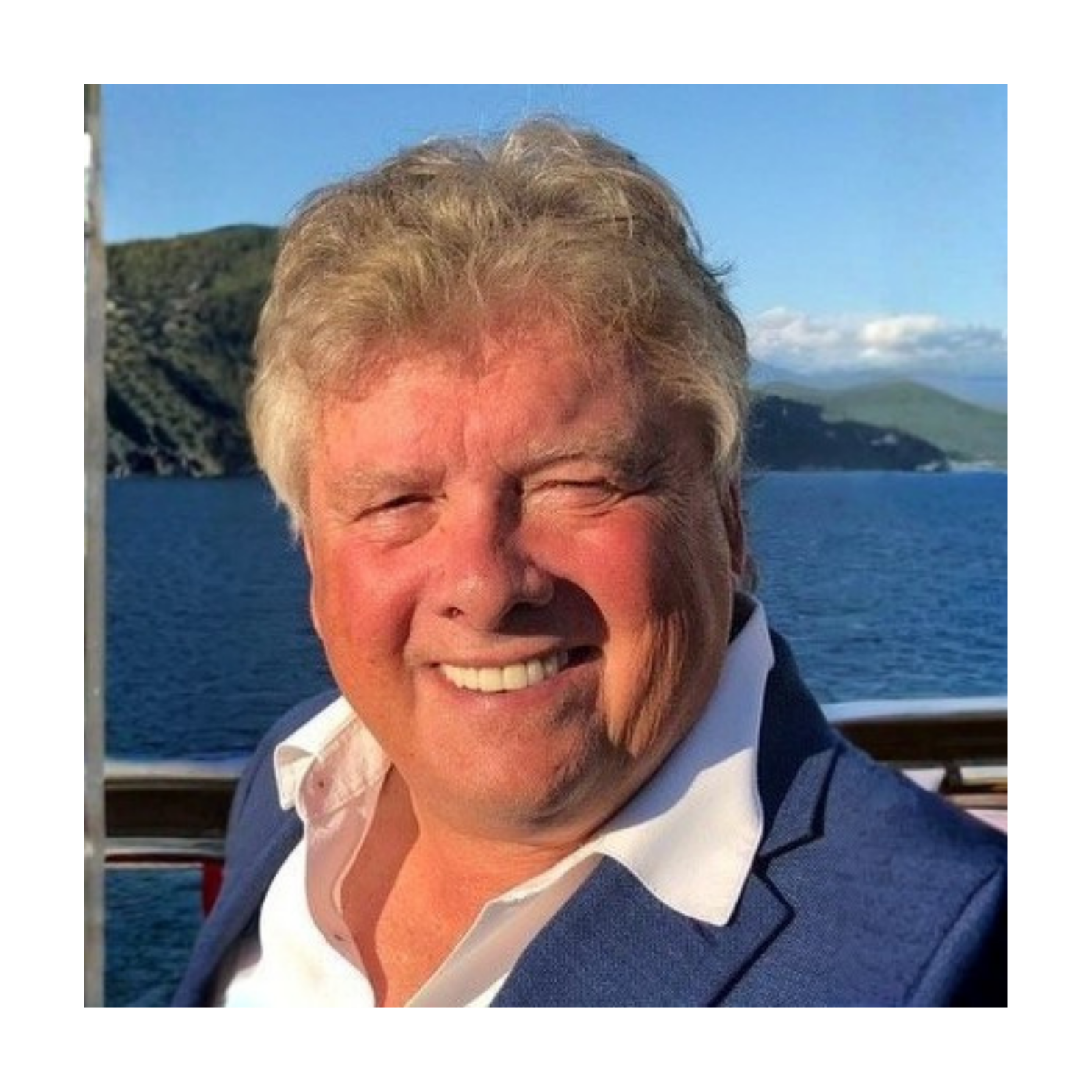
Bruce Agnew

Tom Lang

Hannah Meister